Invisible Wounds
Free EMDR trauma treatment for veterans, serving personnel and military families.
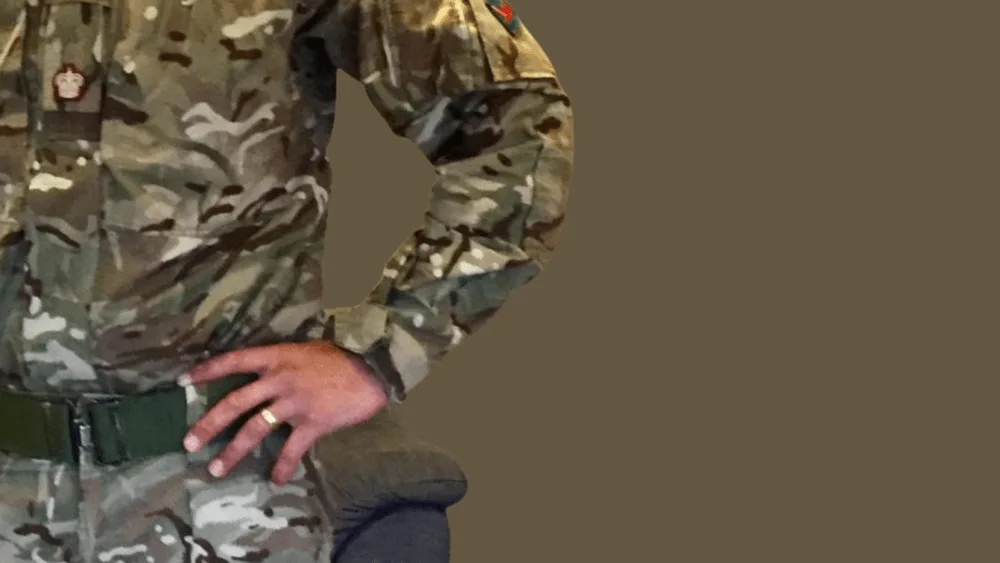
This isn’t abstract clinical work. This is personal.
I’m Dr Lisa Ahmad, co-founder of Invisible Wounds alongside Col Tariq Ahmad. As part of a currently serving military family, I’ve seen and experienced first-hand the impact that service has on serving personnel and their families.
I’ve watched what happens when the culture is “dry your eyes and get on with it”, and I’ve seen what happens when people finally get the treatment that actually works.
What you’re experiencing isn’t weakness. It’s not your fault. It’s what happened to you. And it can be treated.
I know how hard it is to talk about what’s going on. To find the words. To even know where to start, especially when you’ve been trained not to.
Free, confidential EMDR trauma treatment for
Treatment for service-related trauma.
Currently serving, and trained to push through.
Affected by trauma, either their own or from supporting a partner or family member experiencing PTSD.
- Delivered online or in person (location dependent)
- By trained EMDR clinicians who understand military culture and the specific impact of service-related trauma
- In 1:1 sessions or group format, depending on what works best for you
Evidence-based, and it works
I’m a Clinical Psychologist with over 20 years’ experience. I’m skilled in assessing and treating trauma, PTSD and Complex PTSD, and I’ve successfully treated many serving soldiers and veterans in my private practice.
EMDR (Eye Movement Desensitisation and Reprocessing) is one of the most effective, evidence-based treatments for trauma. It helps your brain finish processing experiences your body is still reacting to. It doesn’t require you to talk through every detail. It doesn’t pathologise you. And it works.
Our service offers
- Treatment: EMDR therapy to process trauma at the root
- Stabilisation: techniques to manage symptoms and regulate your nervous system
- Psychoeducation: understanding what’s happening in your brain and body, and why
You’ve been trained to push through
To hold it together. To not show weakness. That training kept you functional in impossible situations and helped you survive. But it’s also why so many people don’t seek help until they’re barely holding on.
The symptoms you’re experiencing (hypervigilance, insomnia, anger, emotional numbness, intrusive memories, detachment) aren’t character flaws. They’re your nervous system responding to what it was put through. Treatment can help you move towards recovery. You don’t have to carry this alone.
Get in touch for treatmentThe trauma isn’t just theirs. It’s yours too.
As a military spouse myself, I completely get the impact of this way of life. The constant moves. The uncertainty. The loneliness and isolation. The weight of holding everything together while your partner is deployed, struggling, or shut down.
You’re navigating your own stress, grief and exhaustion, often while supporting someone with PTSD. The impact is real, relentless, and rarely acknowledged. You deserve support. You deserve treatment. You deserve to feel like yourself again.
Reach outGrowing Invisible Wounds
Right now, Invisible Wounds is a not-for-profit service offering free treatment to those who need it most. But the need is far greater than what we can currently reach.
Our vision is to expand access to evidence-based trauma treatment for military communities across the UK, and eventually beyond.
To do that, we’re seeking
- Charitable partnerships to amplify reach and resources
- Collaborative support from military charities, veteran organisations and mental health advocates
- Funding and sponsorship to sustain and scale free treatment delivery
- Clinical partnerships to train more EMDR clinicians in trauma-informed care for military populations
If you’re a charity, funder or organisation aligned with this mission, we’d love to hear from you.
Together, we can ensure that no one who has served, or supported someone who has, goes without the treatment that could change their life.
This is confidential. This is safe. This is effective.
You don’t need permission to ask for help. You don’t need to have “earned” treatment. You just need to reach out.